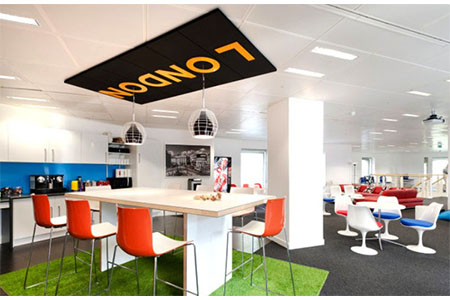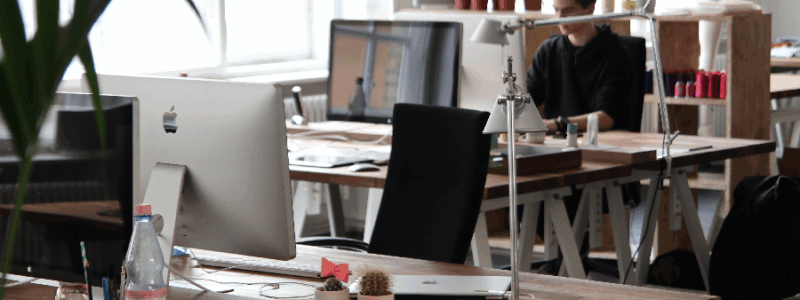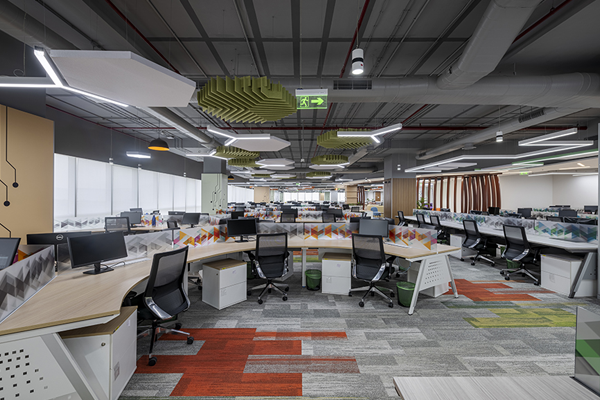
In the ever-evolving landscape of modern workplaces, fostering creativity and collaboration sits at the forefront of building a thriving, dynamic work environment. One key element that has gained prominence in recent years is the creative collaboration areas in offices. These spaces are not just corners with quirky furniture. Instead, they are intentional hubs designed to fuel innovation, encourage teamwork, and boost overall employee satisfaction.
1. Creative Collaboration Areas Spark Innovation Through Interaction:
-
- Creative collaboration areas act as catalysts for innovation by providing employees with spaces where they can engage in spontaneous brainstorming sessions.
-
- In addition, the informal setting breaks down traditional barriers. Therefore, ideas flow freely and creativity is celebrated across teams.
2. Facilitating Agile Work Practices:
-
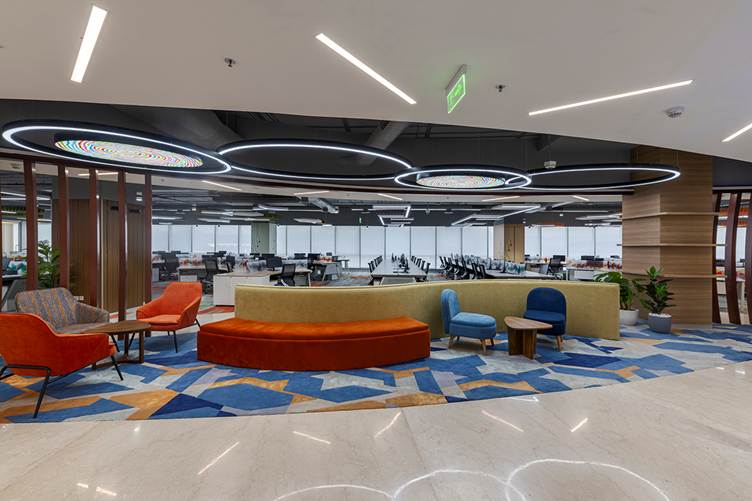
- In a world where agile methodologies are becoming the norm, collaboration areas offer versatile spaces that adapt to the changing needs of teams.
-
- They support flexible work practices, enabling quick transitions between individual work, team meetings, and collaborative discussions.
3. Nurturing Team Bonding:
-
- Face-to-face interactions in collaboration areas contribute to stronger interpersonal relationships among team members.
-
- These spaces become hubs for team bonding, where casual conversations lead to a deeper understanding of colleagues, both personally and professionally.
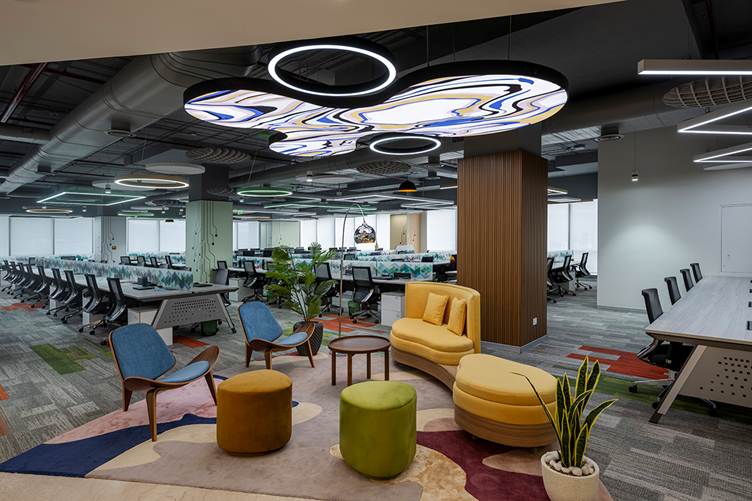
4. Cultivating a Culture of Knowledge Sharing:
-
- Collaboration areas serve as arenas for spontaneous knowledge sharing, creating opportunities for employees to learn from one another informally.
-
- Cross-functional collaboration is enhanced as different teams can easily come together to share insights, expertise, and best practices.
5. Breaking the Monotony of Traditional Workspaces:
-
- Employees benefit from a change of scenery, and collaboration areas provide a refreshing break from traditional workstations.
-
- The variety in workspaces contributes to increased employee satisfaction and a sense of autonomy in choosing where and how they work.
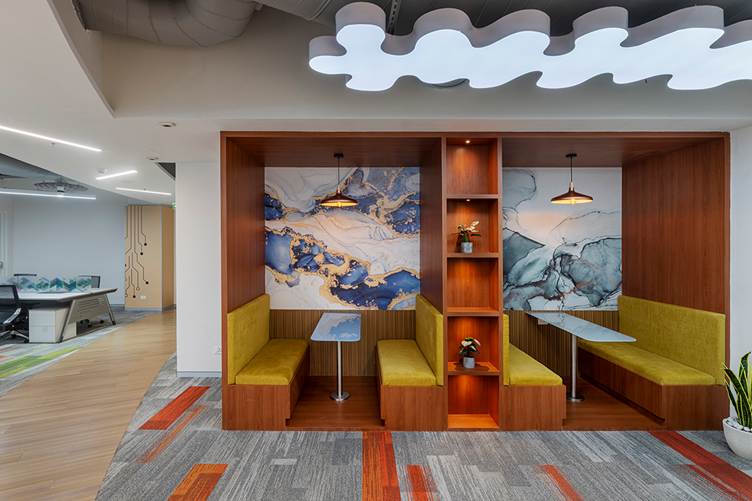
6. Supporting Project Collaboration:
-
- Creative Collaboration areas are ideal for project planning and collaborative work, providing a space where teams can gather to strategize and visualize their goals.
-
- Visual aids such as whiteboards and project boards facilitate dynamic collaboration and planning.
7. Enhancing Well-Being and Productivity:
-
- These creative spaces double as breakout areas, offering employees a place to relax and recharge.
-
- By acknowledging the importance of employee well-being, organizations can create a more productive and engaged workforce.
8. Efficient Meeting Spaces:
-
- Equipped with technology for presentations and video conferencing, collaboration areas can serve as efficient meeting spaces, reducing the need for formal conference rooms for every interaction.
-
- This flexibility in meeting spaces contributes to a more streamlined and adaptable work environment.
Conclusion:
In an era defined by constant innovation, creative collaboration areas stand as essential components of the modern office. By intentionally designing spaces that inspire creativity, foster teamwork, and prioritize employee well-being, organizations can build environments where innovation flourishes and employees feel empowered to bring their best ideas forward. According to Harvard Business Review, physical workspace design plays a measurable role in shaping how well teams collaborate and innovate together.
Investing in these spaces means investing in more than just office layout — it means investing in company culture and the future success of your teams. At Trimit Rachana, we design creative collaboration areas tailored to how your teams actually work.
Explore our commercial interior design projects or get in touch with our team to bring this thinking into your own office.