Green construction practices in Mumbai are reshaping how buildings are planned, designed, and built — with environmentally responsible, resource-efficient methods applied across a building’s entire life-cycle, from planning and design to construction, operation, maintenance, renovation, and eventual demolition.
Successful green construction requires close cooperation between the contractor, architects, engineers, and client at every project stage. Rather than replacing traditional design priorities, green building practices expand and complement the classical concerns of economy, utility, durability, and comfort.
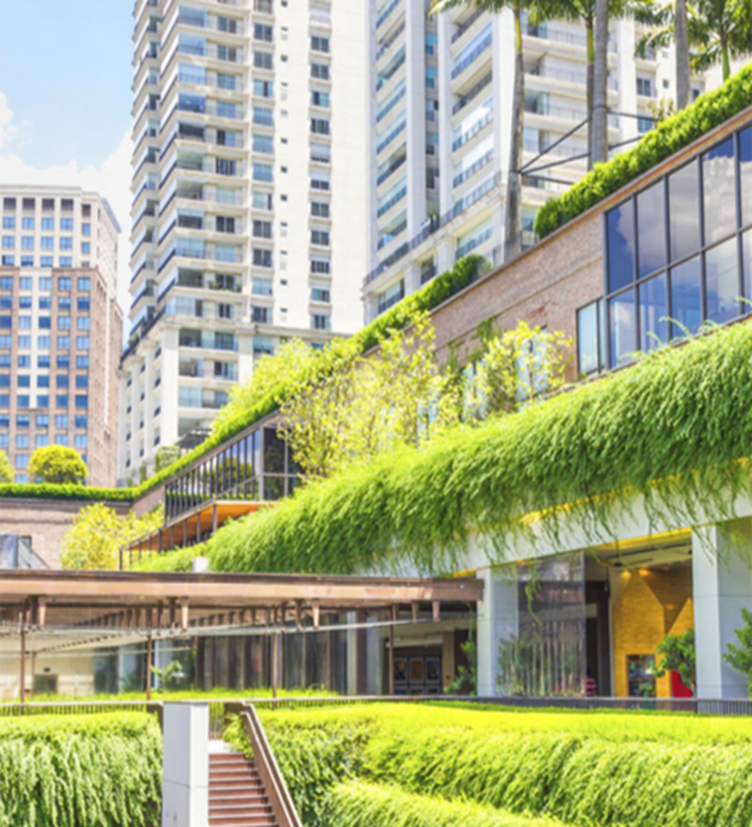
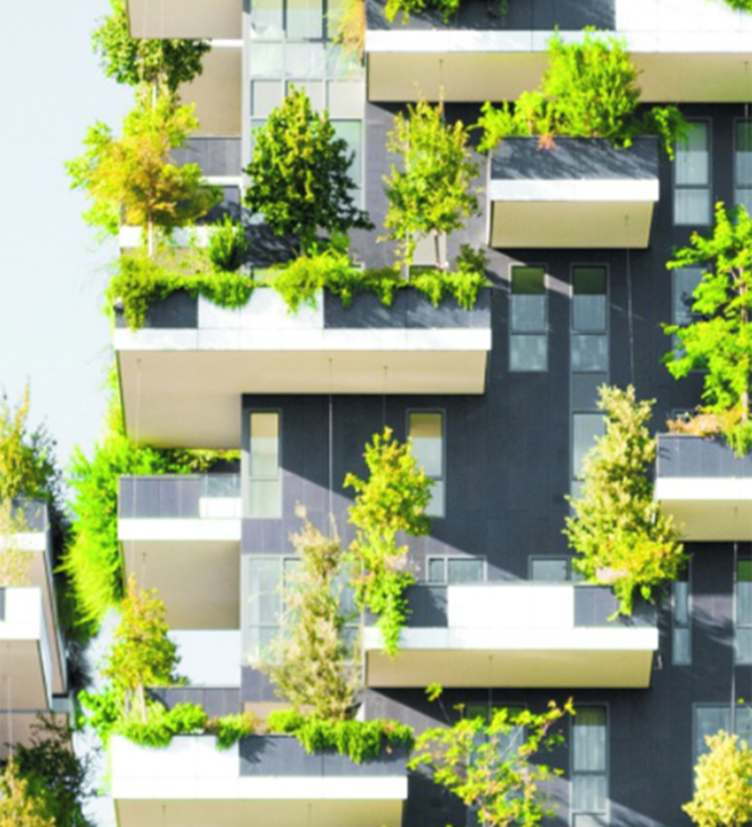
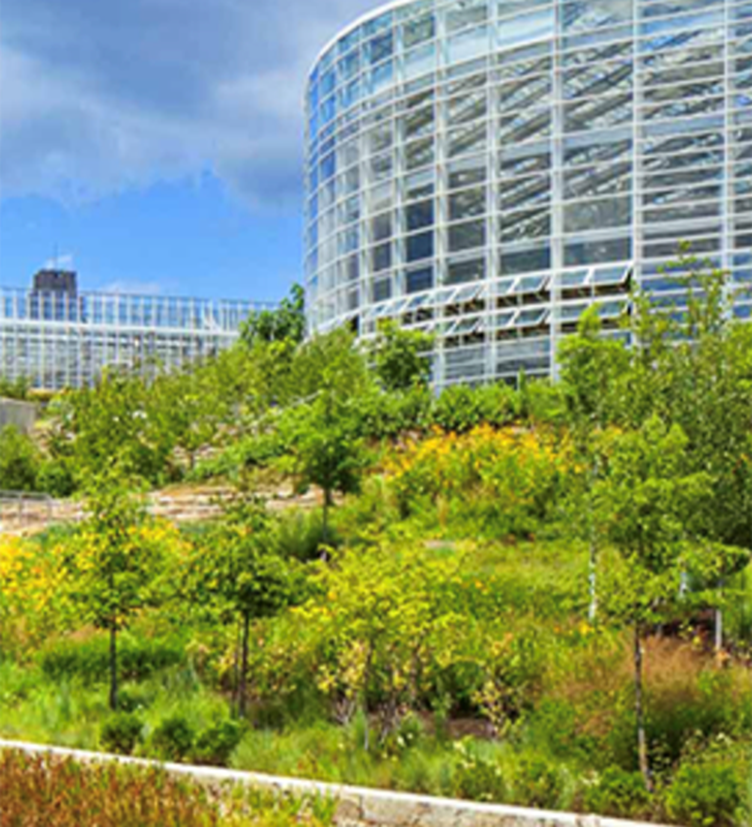
Key Features of Green Construction Practices:
a) Maximum use of natural light, minimal use of fuel and electricity, and strong water conservation
b) Minimal environmental impact on air, water, and land through reduced pollution and landfilling
c) Better indoor environment quality and occupational health for occupants
d) Extensive use of environment-friendly materials, with maximum reuse and recycling of industrial waste (material conservation).
Site Selection and Water Conservation
Good green construction practices start with site selection — choosing locations closer to public transport and infrastructure connectivity, with an optimum distance from raw material and finished goods supplies, and no disruption to the site’s existing topography.
Water conservation plays an equally important role. This includes gardening with water-conserving tropical plants, drip irrigation, 100% rooftop rainwater harvesting, water percolation pits for stormwater, waterless urinals, and complete reuse of treated wastewater. Combined with special water-conserving taps and fittings, these measures can deliver over 30% water conservation by design alone.
Energy Efficiency in Green Building Design
Reducing energy consumption is central to sustainable construction. This involves maximizing natural light to cut down on artificial lighting, using LED bulbs, and incorporating solar or wind energy where possible. Lighting modelling further helps optimize watts per square meter based on specific lux-level requirements for each space.
Building envelope choices matter too — insulated roofs with a galvalume finish and an SRI value above 75 provide high heat reflection, while special 6-12-6 glass allows maximum light transmittance with 25% lower heat transfer (U-value) compared to standard glass.
Sustainable Materials and Local Sourcing
Material choices make a significant difference in a project’s environmental footprint. This includes using power plant waste carbon powder — material that would otherwise go to landfill — in special construction premixes, along with low-density blocks that conserve material while providing heat insulation. Sourcing steel components and raw materials from vendors closer to the site also reduces transport fuel use, improves cost efficiency, and supports the local economy.
Finishing choices matter as well: low-VOC paints on at least 95% of available surfaces, and furniture sourced from Green-certified vendors — with a particular focus on bamboo, which has the lowest lifecycle of any tree species used in furniture manufacturing.
HVAC, Air Quality, and Employee Wellbeing
On the mechanical side, screw chillers and compressors with a COP above 5, combined with CFC/HCFC-free refrigerant gases in HVAC systems, significantly reduce environmental impact. Using gas as a cleaner fuel for boilers, along with special scrubbers for air quality control and suitable air curtains or air locks at shop-floor entrances, further improves overall building performance.
Employee wellbeing is part of the equation too — thoughtfully designed breakout spaces, amphitheaters, gyms, and canteens with adequate change rooms and ventilated areas all contribute to a healthier, more sustainable workplace.
The Business Case for Green Construction
Construction costs for green buildings typically rise between 5–10% as a one-time investment, depending on the targeted certification level and building design. In return, energy conservation of 20–28% is achievable by design compared to ASHRAE standards (American Society of Heating, Refrigerating & Air-Conditioning Engineers), as defined by IGBC-LEED guidelines. Return on investment typically ranges between 6 to 10 years, depending on the scale and scope of deployment. At Trimit Rachana, sustainable design principles inform every project we take on.
Explore our commercial interior design projects to see how we bring green construction practices to life, or get in touch with our team to discuss your next project.