Bamboo has long been used for flooring, kitchen surfaces, doors, and chopping boards. This native plant also serves as a structural material and scaffolding in parts of Asia and South America. Today, as more countries turn toward natural building materials, bamboo in construction is set to play a major role in reducing future carbon emissions. The 2020 Global Status Report for Building and Construction states that buildings account for 28% of global emissions, while construction-related industries like cement and glass add another 10%. The construction industry needs a culture shift toward sustainable, green buildings — and it’s time for the best architectural designs to include bamboo as an engineered product. Bamboo truly is the material of the future for construction — the green steel of the 21st century.
Why is bamboo sustainable building material?
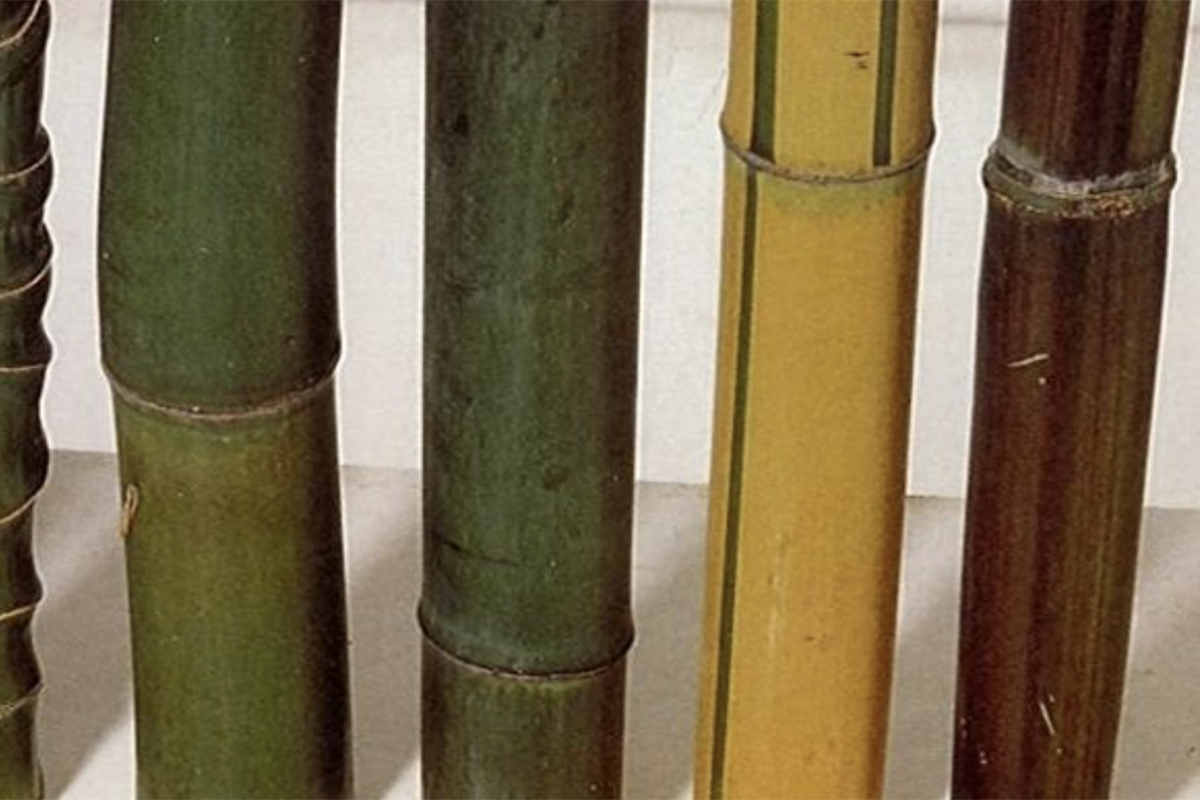
It is time to grow our construction material. Bamboo is environmentally friendly and replenishes rapidly. In addition, it remains fully recyclable and repurposable. However, not every species is suitable. Types like Asper, Balcooa, Guadua, Stocksii, and Tulda work best for structural use. Today, sustainable architects worldwide are combining Western engineering with Eastern bamboo.
1. Tensile strength: Bamboo offers higher tensile strength than steel on a weight-to-weight basis, since its fibers run axially. It naturally handles high-tensile force and can withstand up to 3,656 kg/cm² of pressure.
2. Fire Resistance: Silicate acid in bamboo’s skin, combined with the water content in its body, makes it naturally fire retardant.
3. Light weight: Because bamboo is light, transporting and installing it is far easier than working with materials like steel. Architects increasingly look to bamboo for sustainable building designs and eco-friendly homes.
Advantages of Bamboo as a Structural Material
- Renewable: Bamboo is a fast-growing, renewable agroforestry resource. It reaches full maturity in just 3 to 5 years. Furthermore, bamboo restores eroded land and absorbs massive amounts of carbon dioxide. For example, 60 hectares of bamboo plantation yields the same material as 500 hectares of timber forest. Treated bamboo lasts 30 to 100 years.
- Health and safety: Bamboo in construction poses no real health danger. It requires fewer tools and less machinery to work with, and unlike asbestos, it carries no negative impact on the lungs.
- Earthquake zones: With a strong strength-to-weight ratio and natural elasticity, bamboo becomes highly resilient against forces from high-velocity winds and earthquakes. Eco-friendly architects in India are studying bamboo homes as a stronger option for earthquake-prone areas and damp tropical climates.
- Fewer emissions: Processing bamboo requires significantly less energy than traditional materials. It consumes one-third the energy of timber, one-eighth of cement, and one-fiftieth of steel. Consequently, it lowers overall carbon emissions.
Challenges of Using Bamboo in Construction
The industrial framework for bamboo construction is still young. Several constraints slow its widespread adoption. These include limited awareness, strict regulations, and supply chain issues.
Bamboo also requires careful management during its growth cycle. Builders must split, shape, and bend poles while they grow to achieve specific designs. While ideal for framing, walls, and roofing, bamboo currently plays a limited role in foundations.
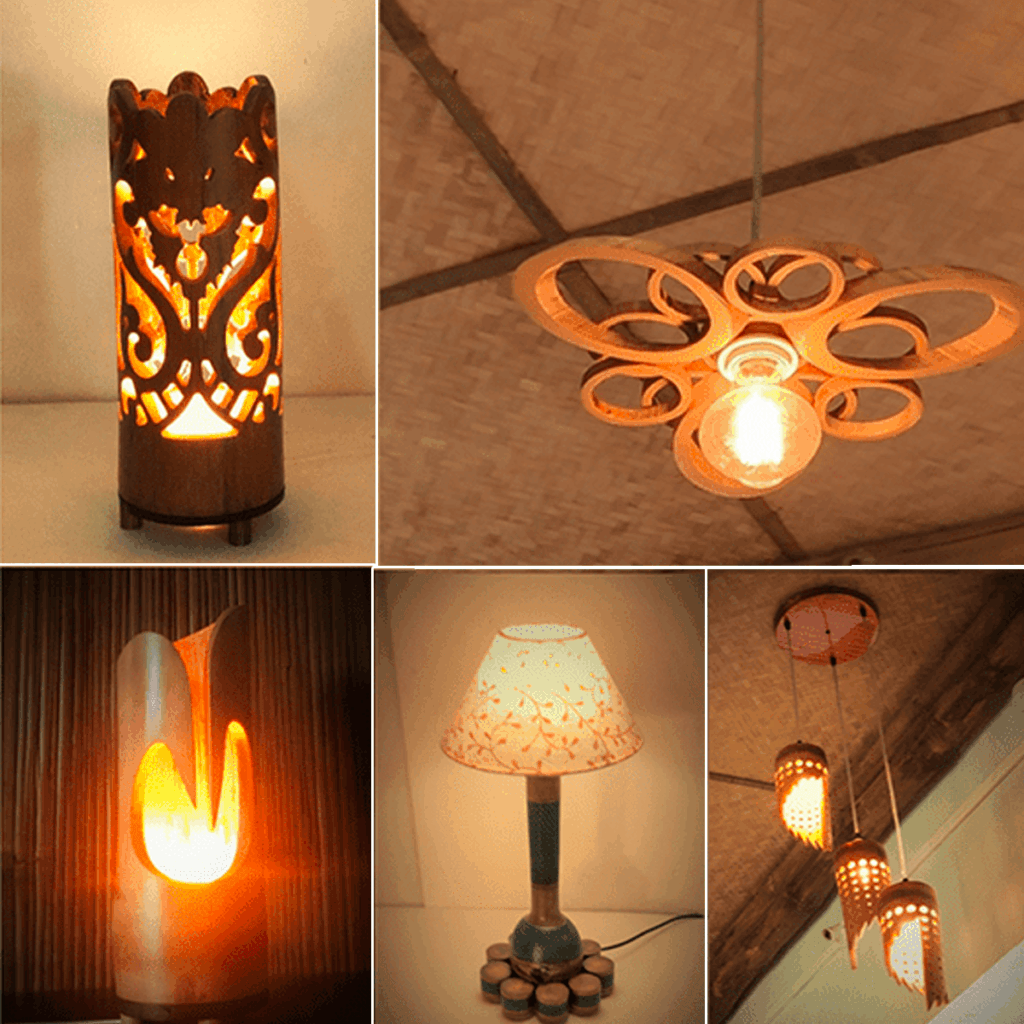

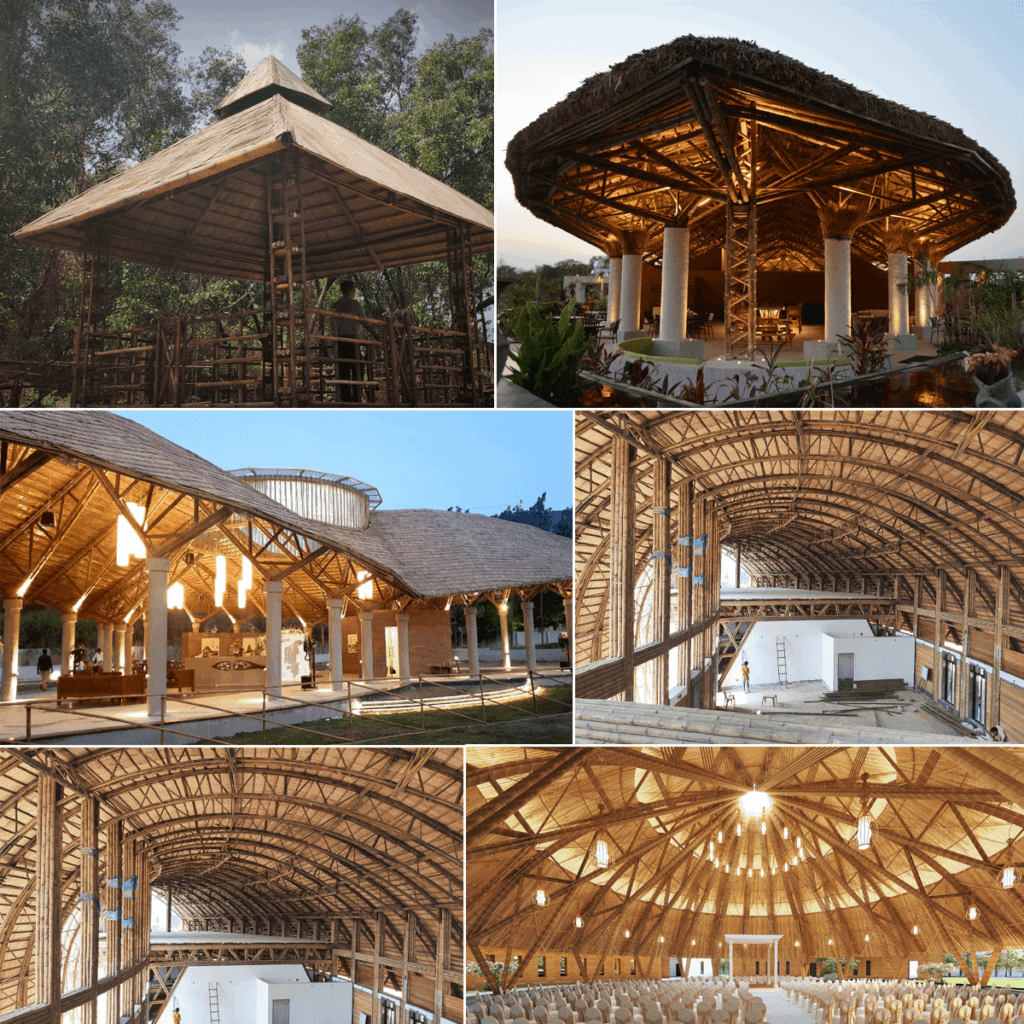
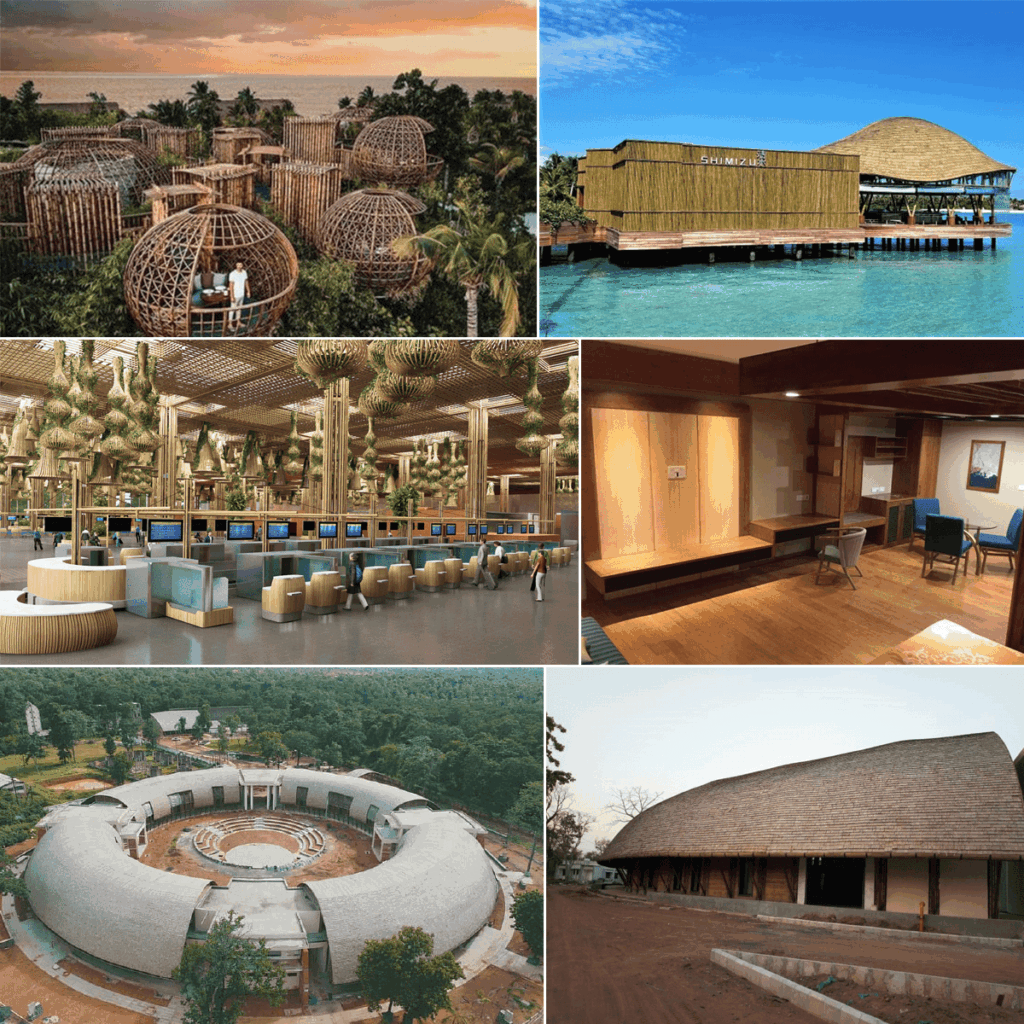
Beyond these constraints, experts continue working to establish bamboo’s broader role in construction. For bamboo to become a truly global construction material, several dimensions need attention: durability, jointing, flammability, cracking and splitting, and design codification.
1. Durability: Structural strength and durability remain the most crucial factors, especially for high-rise towers, where bamboo must qualify as both durable and structurally safe.
2. Jointing: Bamboo’s shape makes jointing systems difficult to design. Researchers continue working to overcome this and develop systems for effective structural load distribution and transfer.
3. Flammability: Sanding bamboo’s silicate-rich skin for a smoother interior finish increases fire risk. Traditional practices like filling cavities with concrete, adding paneling, or plastering over bamboo help retard fire, but this area needs more attention before bamboo can succeed as a future eco-friendly building material.
4. Cracking and Splitting: Builders need to understand exactly how bamboo poles function within a completed structure, since cracking and splitting can affect overall structural strength. Multiple drillings and bolt tightening can crack vertical fibers, and bamboo can also split due to tension, compression, flexure loads in bolted connections, or drying.
5. Design and codification: Indian architects use Digital Image Analysis (DIA) to evaluate bamboo fiber distribution. This method helps calculate structural elasticity with greater accuracy. However, a lack of standardized codes makes safety assessments more complex.
The Future of Bamboo in Construction
Bamboo usage remains nascent within India’s ₹6 trillion (USD 89.2 billion) construction industry. From Kerala’s houseboats to Assamese homes, bamboo still needs to find its way into more of our living and working spaces through diverse, well-considered architectural designs. While countries like China, Vietnam, and Indonesia have already advanced bamboo-based construction technology and industry, India will need time before bamboo becomes an inevitable part of its living architecture and construction sector. Realizing bamboo’s potential will require planned development and joint effort from government bodies, builders, architects, and environmentalists alike. As the world’s second-largest bamboo producer, India has real potential — and a long road ahead.
According to the International Bamboo and Rattan Organisation (INBAR), global interest in bamboo as a sustainable construction material continues to grow, positioning it as a genuine alternative to conventional building materials. At Trimit Rachana, we stay closely engaged with sustainable material innovations like bamboo in construction as part of our broader commitment to eco-conscious design.
Explore our commercial interior design projects or get in touch with our team to bring sustainable thinking into your next project.