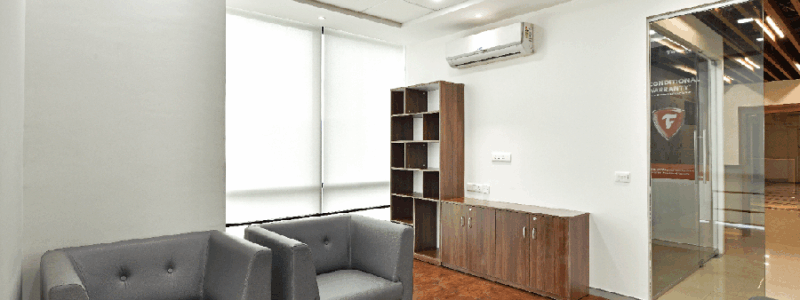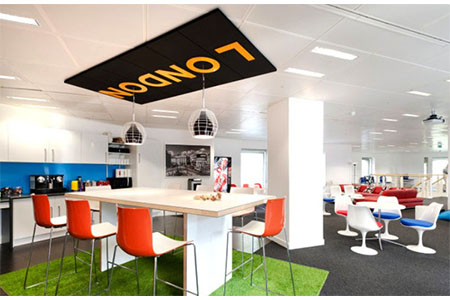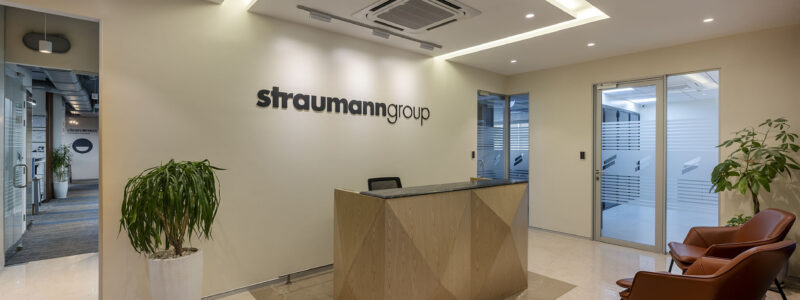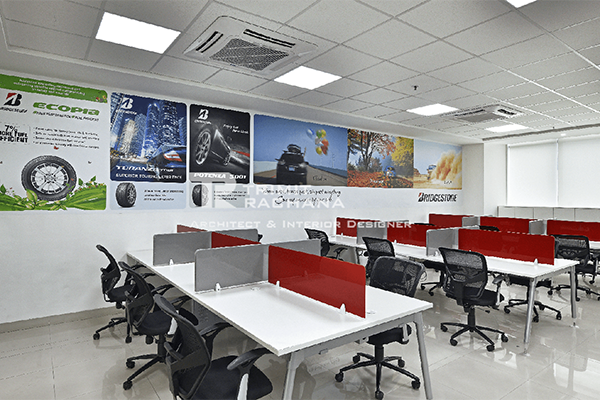
Workstation planning office design plays a pivotal role in shaping productivity, collaboration, and employee satisfaction within any workspace. A thoughtful approach to workstation planning goes well beyond aesthetics, delving into functionality, ergonomics, and the dynamic needs of a modern workforce. In this blog post, we’ll explore the essential elements and considerations involved in workstation planning, transforming office interiors into efficient, inspiring hubs of productivity.
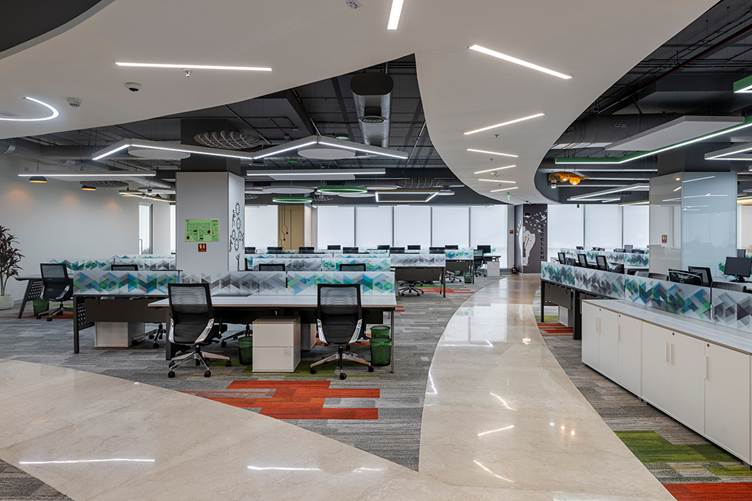
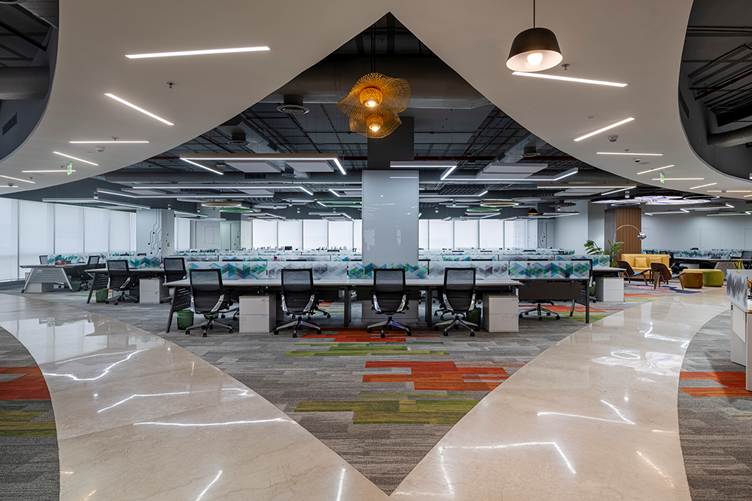
1. Understanding the Workspace Dynamics:
- Assessing Workflow: Before beginning any workstation planning office design project, a thorough understanding of the organization’s workflow is essential. Identify key departments, teams, and their interdependencies to create a layout that genuinely supports seamless collaboration.
2. Ergonomics as the Cornerstone:
- Prioritizing Health and Comfort: Ergonomic considerations remain paramount to good design. Since workstations should promote good posture and reduce strain, look for designs with adjustable elements like chairs and desks that accommodate diverse employee needs.
3. Flexibility for Diverse Workstyles:
- Agile Workspaces: Because work styles vary so widely across teams, flexibility deserves a central place in workstation design. Consider implementing versatile furniture and layouts that accommodate individual work, collaborative projects, and team meetings alike.
4. Maximizing Natural Light and Greenery:
- Bringing the Outdoors In: Bringing the outdoors in makes a real difference. Integrating natural light and greenery into workstation design not only enhances aesthetic appeal, but also contributes meaningfully to employee wellbeing and productivity.
5. Technology Integration:
- Seamless Connectivity: Since seamless connectivity has become essential to daily work, plan workstations with technology in mind from the start. Ensure accessible power outlets, cable management systems, and enough connectivity options to support electronic devices without friction.
6. Creating Collaborative Zones:
- Inspiring Interaction: Dedicated areas for collaborative work help inspire spontaneous interaction. Whether through open workspaces, breakout zones, or designated meeting spaces, these zones encourage idea sharing and collaboration among team members.
7. Noise Management:
- Balancing Acoustics: Acoustics matter just as much as layout. By implementing sound-absorbing materials alongside strategic layout planning, teams can manage noise levels effectively, creating a space conducive to both focused work and collaboration.
8. Personalization and Brand Identity:
- Reflecting Company Culture: Workstations aren’t purely functional — they also express company culture. Allowing personalization within reasonable bounds, while incorporating elements that reflect brand identity and values, helps workstations feel genuinely representative of the organization.
9. Future-Proofing Design:
- Scalability and Adaptability: Since organizations inevitably grow and change, anticipating future needs matters. Designing workstations that are scalable and adaptable allows the workspace to evolve alongside the organization, without requiring a complete overhaul down the line.
10. Employee Input and Feedback:
- Inclusive Design: Involving employees directly in the workstation planning process leads to better outcomes. Gathering their input and feedback ensures the final design caters to real needs and preferences, ultimately contributing to a more positive, productive work experience.
According to Harvard Business Review, thoughtful workstation and workplace design measurably improves employee engagement and collaboration outcomes, reinforcing why getting this right matters so much. At Trimit Rachana, we bring all of these principles into every workstation planning office design project we take on.
Explore our commercial interior design projects or get in touch with our team to plan a workspace built around how your team actually works.